



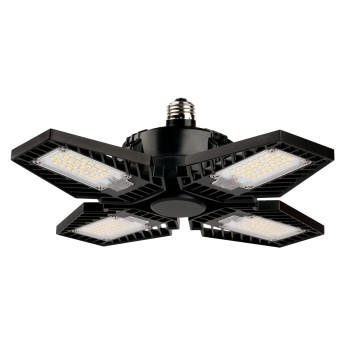
LED Adjustable Garage Bulb - 100W - 12,000 Lumens
$14.99

Menu

LED Adjustable Garage Bulb - 100W - 12,000 Lumens
$14.99
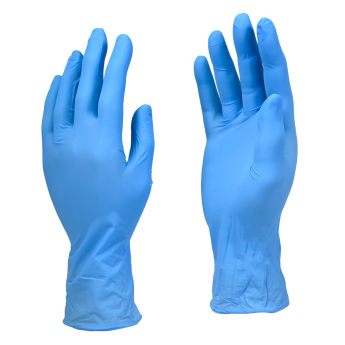
Dash BLU100 Nitrile Exam Gloves, CHEMO & FENT Tested - 4.3 mil - Box of 100
$7.39
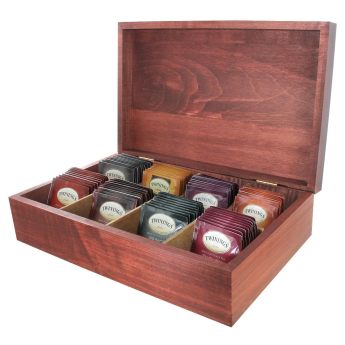
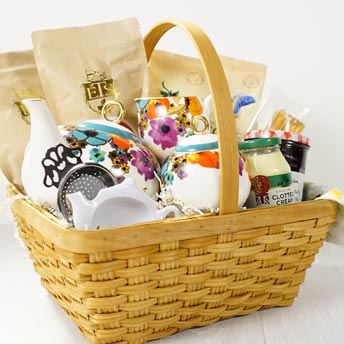
Tea Chest with Tea - Twinings' Favorite Selection
$52.95
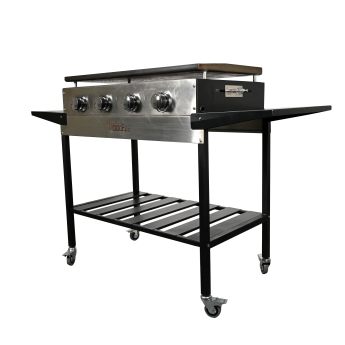
WoodEze 4-Burner Flat Top Griddle Gas Grill
$299.99
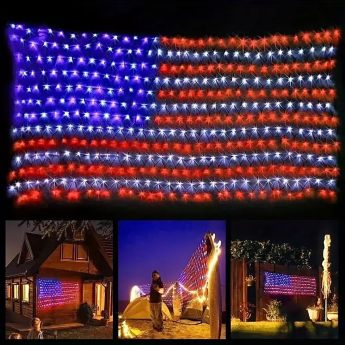
6.5ft x 3.3ft American Flag Net Light - 420 Red, White & Blue LEDs - Waterproof
$17.76
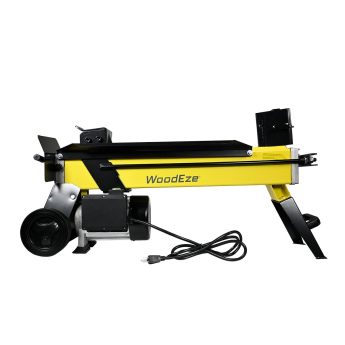
WoodEze 7-Ton Electric Log Splitter - LS75
$499.99
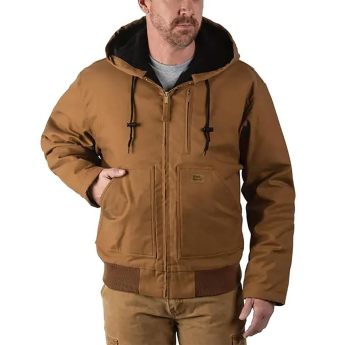
Walls Enduro Flex Insulated Hooded Duck Jacket
$49.99
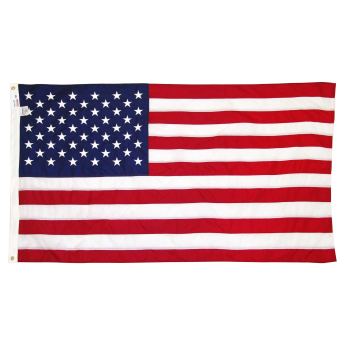
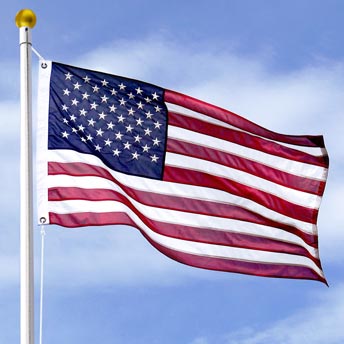
3ft x 5ft USA Printed Polyester Cotton Flag Made by Valley Forge
$12.99
Online Stores is a well funded, privately owned, stable company that was founded in 2002. We operate from our 110,000 square foot facility in New Stanton, PA with 120 staff currently employed. Our family of stores includes Lightup.com, United-States-Flag.com, NorthlineExpress.com, EnglishTeaStore.com, DiscountSafetyGear.com, ConstructionGear.com, and SafetyGirl.com. In 2016 we expanded our business to include our latest store selling LED Lighting called Lightup.com, and we acquired Northline Express which is the leading online supplier of chimney pipe and fireplace accessories. We have opened 2 new shipping locations in 2017, Sparks, NV to serve our west coast customers and Youngwood PA which houses Northline Express.
We serve over 400,000 customers each year and we ship between 2,600 and 5,000 packages every day. We carry 40,000 items in inventory which have a value of over $10M.
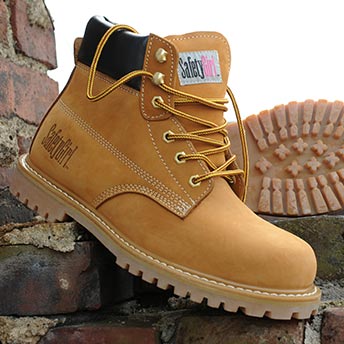
Online Stores is the largest specialist retailer of flags, flag poles and accessories in the USA and probably the World. We carry over 10,000 different flag products. We are very proud of our brands, which include Super Tough and Super Knit for flags and flagpoles, Rugged Blue for safety equipment and work clothing, Safety Girl for women's work clothing and boots, Lumegen for LED lighting, and English Tea Store for tea, teapots and tea accessories.
Our products are available to all buyers through our websites, but we also offer wholesale pricing for merchants and distributors. To apply for wholesale pricing, please contact our sales team. Call 1-877-734-2458 ext. 308 (toll-free)